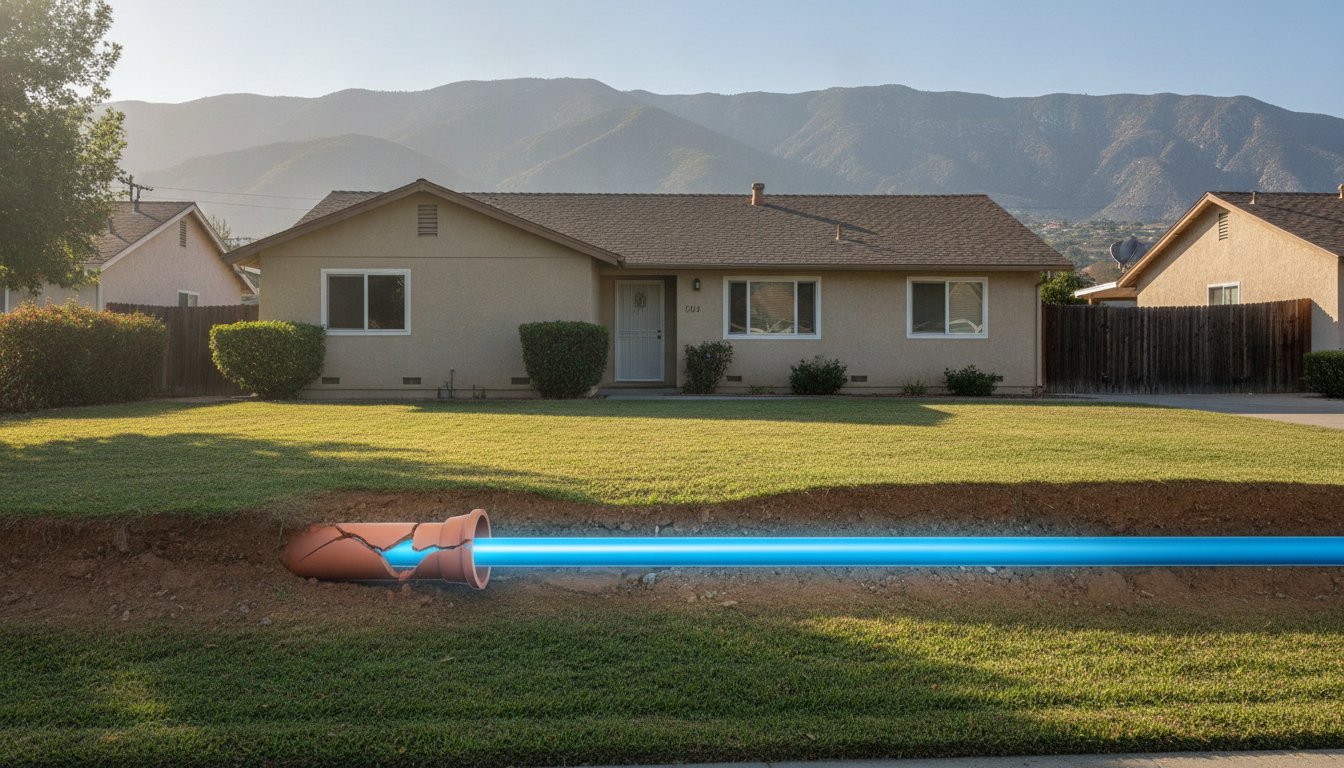
You have just called the plumber for the third time this year to clear a backup, and you are starting to wonder if you are just throwing money down a broken pipe. It is exhausting to deal with the same mess every few months, especially when you receive conflicting advice about whether to keep patching or start over. Understanding exactly when to replace sewer line pipes is the only way to stop the cycle of temporary fixes and avoid a much larger disaster down the road.
We know the fear of yard destruction and high costs can make you hesitate, but a permanent solution is often more manageable than you think. This guide will give you the clear indicators that your system has reached its limit and explain how modern diagnostics like camera inspections provide the truth about your pipes. You will learn how to weigh the cost of recurring repairs against a one-time replacement so you can make a decision that protects your home and your budget for years to come. We will provide a straightforward plan to move you from frustration to a lasting resolution.
Key Takeaways
- Spot the specific red flags, like persistent backups in multiple drains and unexplained green patches in your yard, that signal a failing system.
- Discover how older materials like clay and cast iron age and why they eventually require more than just a standard cleaning.
- Use the Rule of Two to determine exactly when to replace sewer line pipes rather than wasting money on recurring temporary repairs.
- Learn about trenchless pipe bursting methods that replace your line efficiently without destroying your lawn or driveway.
- Gain a clear diagnostic plan to move from stressful plumbing emergencies to a permanent and worry-free solution.
Recognizing the Warning Signs of a Failing Sewer Line
Your sewer line is the most important pipe in your home. It's also the most ignored until something goes wrong. Most people don't realize a problem exists until sewage is on the bathroom floor, but your plumbing system usually tries to warn you long before a total collapse happens. Knowing these early red flags helps you decide when to replace sewer line pipes before you face an expensive emergency.
One obvious sign is a gurgling sound. If you hear "glug-glug" noises from the toilet when you run the bathroom sink, air is trapped in the line. This happens when a blockage or a physical break prevents water from flowing smoothly. You might also notice sewer gas odors around your foundation or in your basement. A healthy system stays airtight. If you can smell it, you likely have a leak or a cracked vent pipe that needs immediate attention.
Physical changes in your landscape are also major indicators. Look for these specific issues:
- Indentations or sinkholes forming in the lawn or driveway.
- Persistent soggy patches that don't dry out after a rain.
- Slow drains in multiple fixtures like the tub and toilet simultaneously.
The Problem with Recurring Backups
If you call a plumber for drain cleaning every few months, you aren't fixing the problem. You're just treating a symptom. A "soft clog" is usually just hair or grease that a quick snaking can clear for good. A structural failure is different. When a pipe has bellied, cracked, or been invaded by roots, a snake might punch a small hole through the debris, but the backup will return. Constant snaking is a red flag that your pipe is physically compromised. Relying on temporary fixes often leads to a sudden, catastrophic collapse. In these cases, a trenchless method of replacing buried pipelines is often the most efficient way to restore your home's integrity.
Yard and Foundation Indicators
Your lawn often reveals what's happening underground. If you see a patch of grass that is significantly greener or taller than the rest of your yard, it might be feeding on sewage. This "super-growth" looks lush, but it usually precedes a sinkhole or a foul-smelling indentation. These leaks can even threaten your home's stability. Since sewer lines often run near the foundation, a persistent leak can wash away the soil that supports the concrete. This leads to foundation cracks or even pest infestations, as rodents and insects are drawn to the moisture. Identifying these external signs is a critical part of knowing when to replace sewer line segments to protect your entire property.
Understanding Your Pipes: Age, Material, and Local Factors
The type of material buried under your yard determines how long your plumbing will last. In Yucaipa, we see a wide variety of pipe materials depending on when your neighborhood was developed. Knowing what you have is the first step in deciding when to replace sewer line pipes before they fail completely. Identifying these material weaknesses helps you plan for the future rather than reacting to a midnight emergency.
Different materials fail in different ways. Here is what we typically find in local homes:
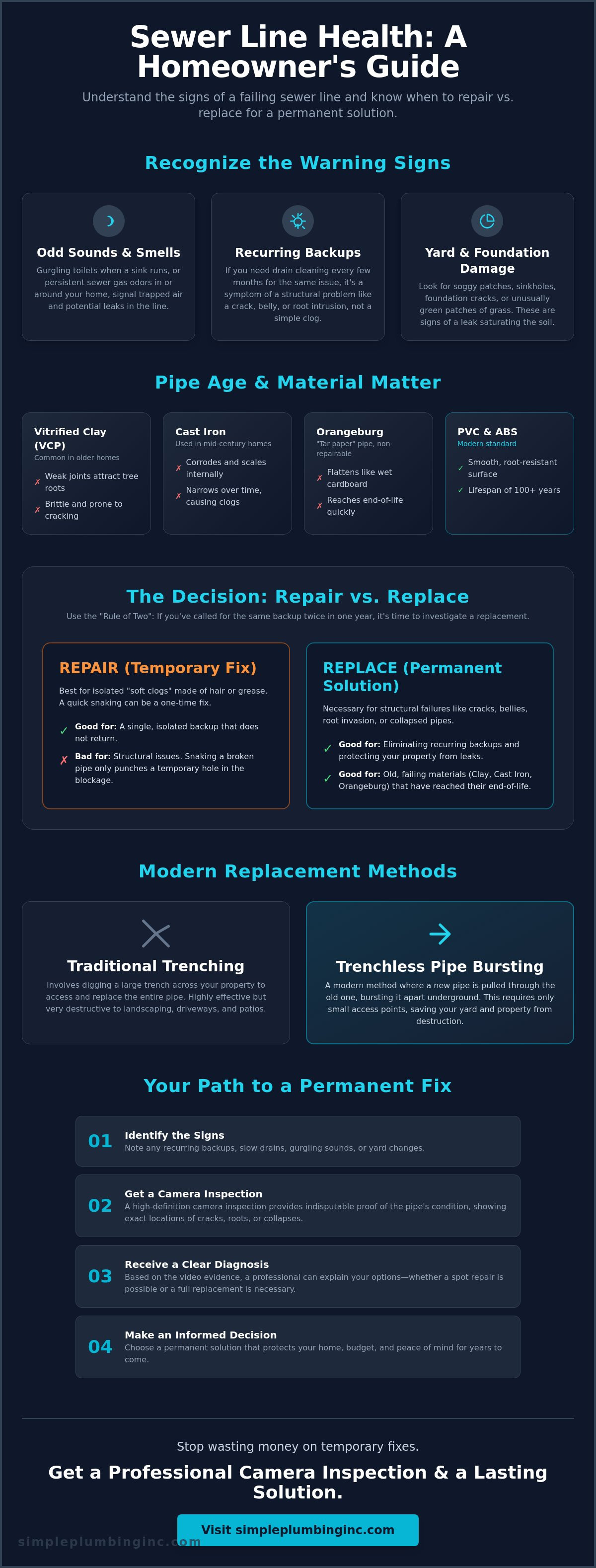
- Vitrified Clay Pipe (VCP): Very common in older Yucaipa neighborhoods. While the clay itself doesn't rot, the joints between the short sections are weak. Tree roots find these gaps easily.
- Cast Iron Pipe: Many homes built in the 1950s and 60s use cast iron. Over time, these pipes develop "scaling," which is a buildup of rust and minerals. This narrows the path for water and catches toilet paper.
- Orangeburg Pipe: This is a "tar paper" pipe found in mid-century homes. It is essentially wood fiber soaked in coal tar. It eventually flattens like a wet cardboard tube and cannot be repaired.
- PVC and ABS: These are the modern standards. They are smooth, root-resistant, and can last over 100 years.
Yucaipa Infrastructure: What Lies Beneath
Our local environment puts unique stress on plumbing. The Inland Empire has soil that shifts frequently, which can snap brittle clay pipes. During our long droughts, thirsty roots from mature oak or eucalyptus trees aggressively seek out the moisture inside your sewer line. If your home was built before 1980, you likely have older materials that are reaching the end of their natural lifespan. Understanding these local factors is essential when deciding when to replace sewer line sections to protect your property's value.
The Role of Professional Camera Inspections
You don't have to guess what is happening underground. A high-definition camera can show us exactly where the problem lies. We can see "bellies," which are sags in the line where water pools and causes clogs. We can also see exactly where a root has cracked a joint. Reviewing a sewer line inspection Yucaipa report helps you see the physical evidence of damage. It is a transparent way to verify the condition of your pipes without any guesswork. If you are unsure about the age of your system, a professional sewer line repair assessment can give you the clarity you need to make an informed choice.
The Decision Matrix: Repair vs. Replacement
Choosing between a quick patch and a total overhaul is often the most stressful part of home maintenance. You want to protect your budget, but you also want the backups to stop for good. We use a simple logic to help you decide when to replace sewer line sections versus when a targeted repair is the better move. This approach removes the guesswork and ensures you aren't just throwing money down a broken pipe.
We often recommend the "Rule of Two." If you've had to call for professional drain cleaning or hydro jetting twice in a single year, you're likely dealing with a structural failure. Clogs happen, but recurring clogs in the same spot suggest the pipe itself is physically compromised. You should also consider the 50% Rule. If the cost of a major repair is more than half the price of a full replacement, the replacement is almost always the smarter financial move. You get a brand-new system with a fresh lifespan rather than a patched-up old pipe that might fail elsewhere next month.
Location is another huge factor in this decision. A break under your lawn is relatively straightforward to access. However, if the damage is located under your driveway or your home's concrete slab, the labor required to reach it is significant. In these cases, it's often more cost-effective to replace the entire line while the ground is already open. Plus, a new sewer line is a massive selling point if you ever decide to move. Buyers love knowing the most expensive "invisible" system in the house is modern and reliable.
When a Spot Repair Makes Sense
A spot repair is a great choice if the rest of your line is in excellent structural condition. If a single isolated root or a heavy rock has caused a localized break, we can fix that specific section without disturbing the rest of your yard. This is a targeted, budget-friendly solution that works well for newer homes with PVC piping where the damage is an outlier rather than a sign of total system aging.
When Full Replacement is the Only Honest Answer
Sometimes, a repair is just a band-aid on a much larger problem. If roots have invaded every joint or your cast iron pipe has "channeling"—where the bottom of the pipe has literally rotted away—replacement is the only honest solution. Multiple "bellies" or sags also mean gravity can no longer move waste effectively. You can consult our homeowner’s checklist to see if your symptoms match a total system failure. When the damage is widespread, a full replacement is the only way to guarantee your home stays safe and dry.
Modern Sewer Replacement Methods: Trenchless vs. Traditional
Once you decide when to replace sewer line pipes, the next big question is how we actually get the job done. In the past, every replacement meant digging a massive trench across your yard. Today, we have options that are much less invasive. Choosing the right method depends on your pipe's condition, your budget, and how much you value your landscaping. We believe in being straight with you about which method fits your specific situation.
Traditional excavation is still necessary in certain cases. If your pipe has completely collapsed or has lost its "grade," meaning it no longer slopes downward to move waste, we have to dig to physically reset the line. This process can take about a week and involves heavy machinery. However, for many homeowners, trenchless technology is a faster, cleaner alternative. Methods like pipe bursting allow us to pull a brand-new HDPE pipe through your old one using only two small access points. Another option is Cured-in-Place Pipe (CIPP) lining, which creates a seamless "pipe within a pipe" using a specialized resin. Trenchless jobs are often completed in just one day, drastically reducing the disruption to your life.
The Benefits of Trenchless Technology
The biggest advantage of trenchless work is protecting your property. You don't have to worry about rebuilding your porch, repaving the driveway, or replanting expensive shrubs. The new HDPE piping used in pipe bursting is incredibly durable. It is seamless, which means there are no joints for roots to invade, and it has a verified lifespan of at least 50 years. While the equipment for this technology is specialized, you save a significant amount of money by avoiding the high cost of restoring your yard and hardscaping. It is a strategic way to handle when to replace sewer line systems without the long-term headache of a torn-up lawn.
What to Expect During the Process
We believe in making the process as predictable as possible. Before we start, we handle the permitting and inspection requirements with the City of Yucaipa to ensure everything is up to code. You will need to clear the area around the access points, but we take care of the heavy lifting. One of the most common questions we hear is about water usage. You will usually only be without water for a few hours while we make the final connections. We aim to have your toilets and sinks back in service by the time you're making dinner. If you are ready for a permanent fix, our team can provide a professional sewer line repair or replacement assessment to get you started.
The Simple Plumbing Approach: Integrity in Every Inspection
At Simple Plumbing Inc, we don't believe in high-pressure sales or alarmist language. We know that discovering a problem with your main line is stressful enough without a plumber trying to scare you into a massive project. Our goal is to provide a calm, logical path forward. We prioritize educating you on the state of your pipes so you can decide when to replace sewer line sections based on facts rather than fear. We want to be the steady, experienced voice you can trust in a moment of domestic chaos.
Integrity is the foundation of every service call we make. We don't just want to clear a drain; we want to fix it right the first time. This means providing a complete and honest picture of your system's health. If a simple repair will solve the issue for years to come, we will tell you. If a full replacement is the only way to prevent a catastrophic backup next month, we will explain the structural reasons why. This commitment to transparency is how we serve the Yucaipa community with straightforward communication and predictable results.
The Veteran Difference in Plumbing
Our leadership brings Marine Corps discipline to every job site. This means we arrive on time, maintain a clean workspace, and provide no-fluff assessments. You won't find hidden fees or "surprise" costs when it comes time to pay the bill. We respect your property and your time. We treat every home as if it belonged to a neighbor or a family member. This disciplined approach ensures that our inspections are thorough and our solutions are built to last for the long haul.
Next Steps for Your Sewer Line
If you are tired of the recurring costs and the mess of temporary fixes, it is time for a clear diagnostic plan. The best way to determine when to replace sewer line pipes is through a peace-of-mind camera inspection. We provide you with a high-definition look at exactly what is happening underground so there is no guesswork involved. After the inspection, you will receive a detailed, written estimate that clearly outlines your options. Whether you need a small spot repair or a modern trenchless replacement, we are here to help you regain control of your home. You can contact Simple Plumbing Inc for a straightforward evaluation today. We are ready to help you find a permanent, worry-free solution to your plumbing frustrations.
Restore Your Peace of Mind
Dealing with sewer issues is stressful, but it doesn't have to be a mystery. You now have the tools to recognize warning signs and understand how your home's age and Yucaipa's local soil conditions impact your pipes. Whether you are facing a one-time repair or considering a full system upgrade, making an informed choice based on clear diagnostics is the only way to protect your property. Deciding when to replace sewer line sections is a strategic investment that ends the cycle of messy backups and recurring costs for good.
At Simple Plumbing Inc, we are proud to be your local Yucaipa specialists. As a veteran-owned and operated company, we apply discipline and honesty to every inspection. We provide expert sewer line diagnostics to give you a transparent look at your system's health. You deserve a partner who prioritizes your needs over a quick sale. Get a Straightforward Sewer Line Assessment from Simple Plumbing Inc today and move forward with confidence. We are ready to help you find a permanent solution that keeps your home safe and dry.
Frequently Asked Questions
How much does it typically cost to replace a sewer line in Yucaipa?
The total cost depends on the length and depth of the pipe, the soil conditions, and the replacement method used. A shallow line in a front yard is much simpler to access than a deep pipe located under a concrete driveway or porch. Because every property has unique challenges, we provide custom assessments to ensure you get an accurate picture of your specific needs without any guesswork.
Can I still use my water if my sewer line is broken?
You should stop using your water immediately if you suspect a broken sewer line. When the main line is compromised, wastewater has nowhere to go and will eventually back up into your home's lowest drains. This can cause unsanitary conditions and expensive water damage to your floors and cabinets. It is best to wait until a professional inspects the line and confirms it is safe to use.
Does homeowners insurance cover sewer line replacement?
Standard homeowners insurance policies typically don't cover sewer line replacement caused by age, wear and tear, or root intrusion. Coverage is usually only available if the damage was caused by a sudden, accidental event or if you have a specific service line endorsement. It is a good idea to check your individual policy or speak with your agent to see if you have added this extra protection.
What is the average lifespan of a residential sewer line?
The lifespan of your pipes depends on the material they are made of. Clay pipes often last 50 to 60 years, while cast iron can last up to 100 years before internal corrosion becomes a major issue. Modern PVC or HDPE pipes are designed to last over a century. If your home is reaching these age milestones, it is a good time to ask an expert when to replace sewer line pipes before an emergency happens.
How long does a full sewer line replacement take?
A traditional replacement that involves digging a trench usually takes between five and seven days to complete. If your property is a candidate for trenchless methods like pipe bursting, the job is often finished in just one day. We aim to keep your water service active as much as possible, usually only turning it off for a few hours during the final connection phase of the project.
Will tree roots grow back after I replace my sewer line?
Roots cannot grow back into a new, seamless pipe system. Older pipes have joints that leak moisture, which naturally attracts thirsty tree roots. Modern materials like HDPE are fused together to create a single, airtight tube with no gaps or joints. This removes the moisture source that attracts roots in the first place, ensuring your new line stays clear and functional for its entire lifespan.
What is the difference between a main line clog and a broken pipe?
A clog is a temporary blockage caused by debris like grease or wipes, while a broken pipe is a physical failure of the structure itself. Clogs can usually be cleared with professional cleaning tools. A broken pipe has cracks, holes, or sags that will continue to cause backups until the section is physically repaired or replaced. A camera inspection is the only way to know which problem you are facing.
Is hydro jetting a permanent fix for sewer line issues?
Hydro jetting is a great way to clear heavy clogs, but it is not a permanent fix for structural damage. It cleans the inside of the pipe without repairing any cracks or physical collapses. If your pipe is physically failing, knowing when to replace sewer line segments is more cost-effective than paying for repeated cleanings. Hydro jetting should only be used on pipes that are structurally sound enough to handle the pressure.


